Hidden Propane Tank Fire Pits — Boxhill & Co., LLC Skip to content
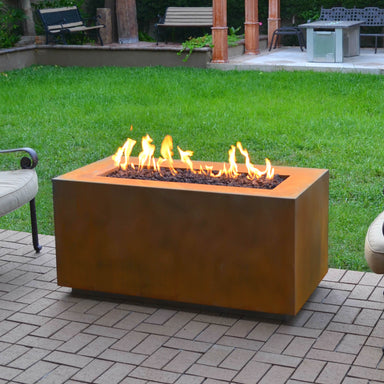
Low-profile outdoor fire pit with hidden propane tank in a modern patio setting

Hidden Propane Tank Fire Pits

Not every space can support a built-in gas line—and exposed propane tanks aren’t doing anyone favors. Hidden propane tank fire pits solve both problems, offering the warmth and convenience of propane with a clean, finished look. These designs discreetly conceal the tank inside the fire pit, keeping the focus on the flame, not the hardware.Read More

Fire Pits with Hidden Propane Tanks for Flexible Outdoor Layouts

Hidden propane tank fire pits are one of the most practical fire feature solutions for outdoor spaces that need flexibility without sacrificing aesthetics. When running a gas line isn’t possible—or simply isn’t worth the disruption—a fire pit with hidden propane tank offers a clean, self-contained alternative.

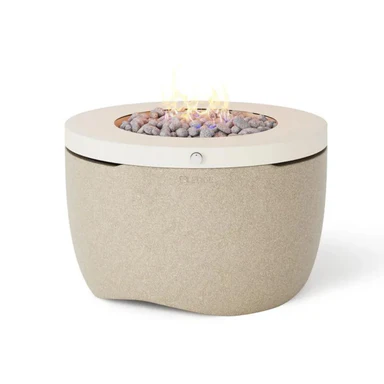
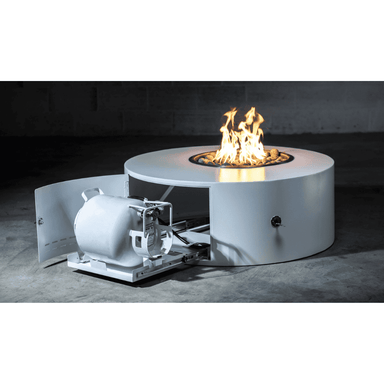
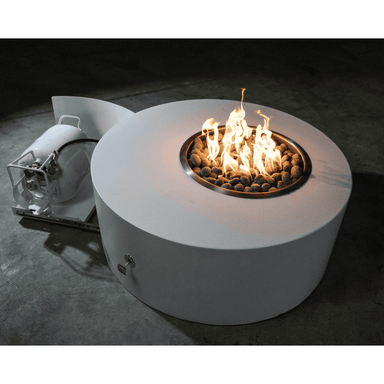
This collection includes hidden propane tank fire pits designed to house the propane tank directly within the base of the fire pit or fire table. By enclosing the tank, these pieces eliminate the need for exposed tanks or separate covers while maintaining easy access for refueling. A fire pit with propane tank inside keeps everything contained, streamlined, and visually cohesive.

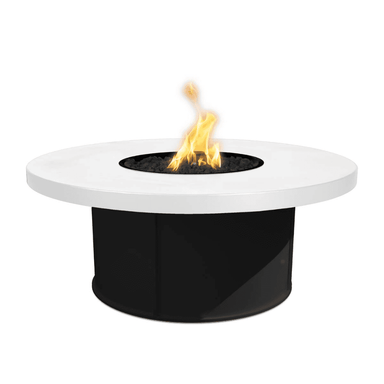
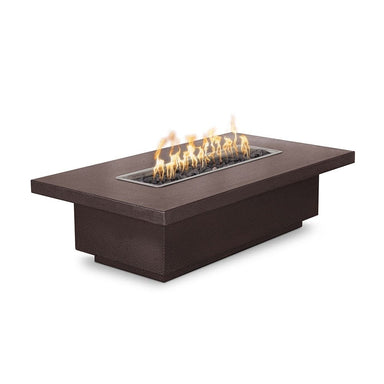
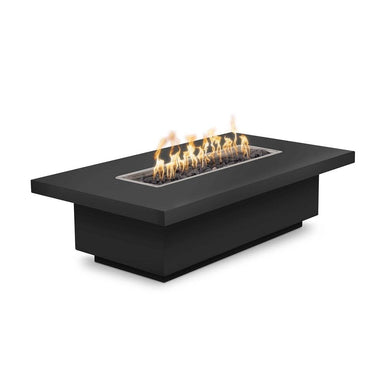
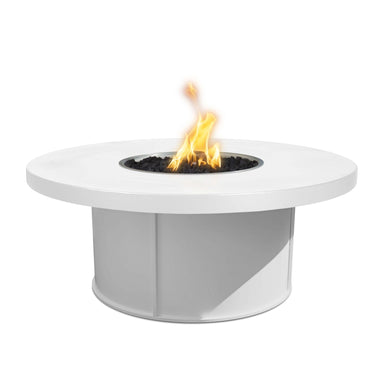
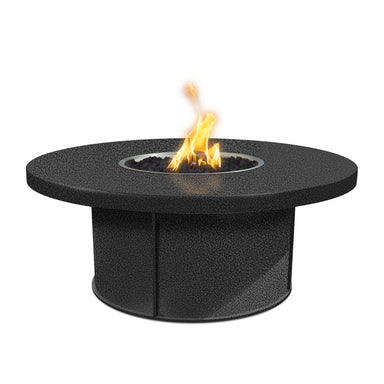
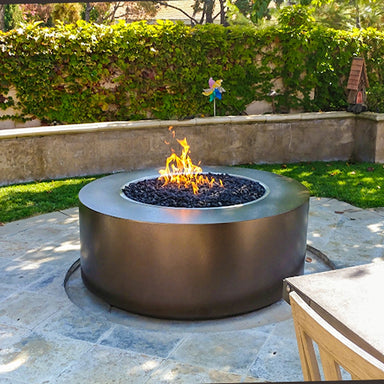
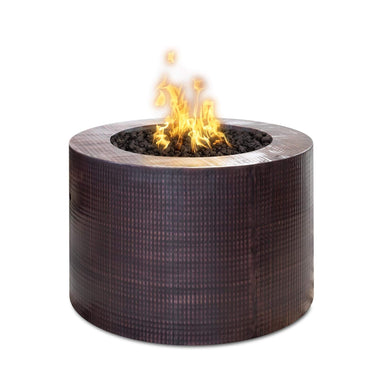
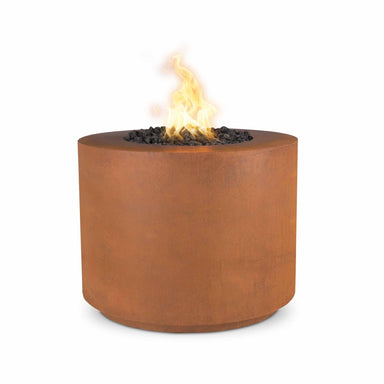
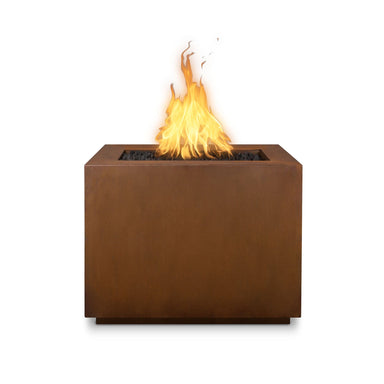
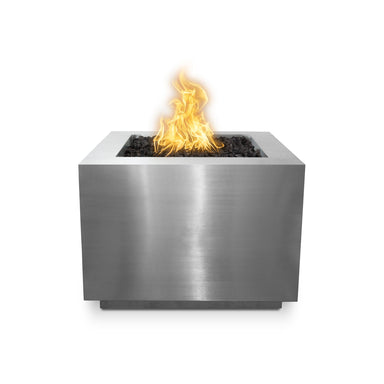
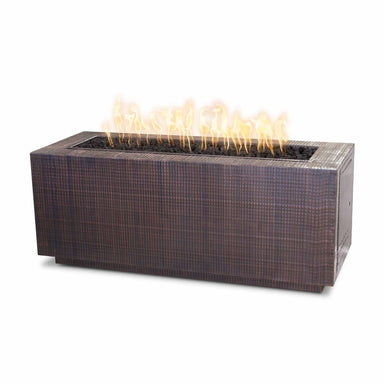
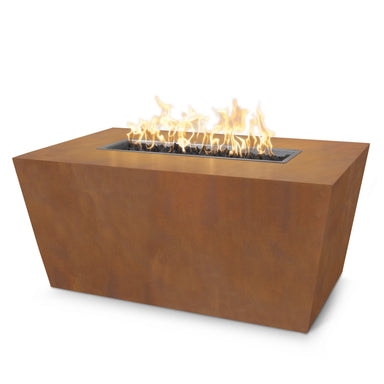
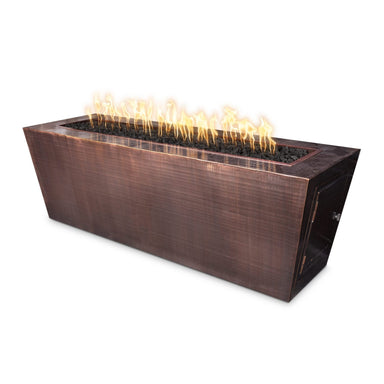
You’ll find a range of formats here, including round propane fire pit styles, rectangle fire pit table designs, and propane fire pit table options sized for both intimate patios and larger seating areas. Some pieces function as a hidden propane tank fire table, offering usable ledge space around the flame, while others read more like a sculptural propane fire bowl with integrated storage below.

Material and construction matter, especially when the fire pit also serves as the enclosure for the tank. Options such as concrete fire pit with hidden propane tank designs provide weight, stability, and durability, making them suitable for frequent use in residential, hospitality, and short-term rental settings. These materials also help visually ground the piece so it feels intentional rather than temporary.

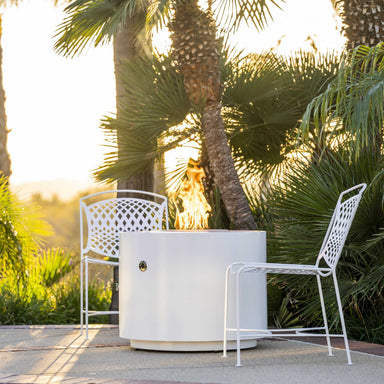
Because they don’t require permanent infrastructure, Outdoor hidden propane tank fire pits are often specified for spaces that evolve over time—vacation homes, rooftops, courtyards, and properties where layouts may shift. A propane tank fire pit can be repositioned as needed, offering warmth and ambiance without locking the design into a single configuration.

Hidden propane tank fire pits are popular for a reason. They offer the convenience of propane, the flexibility of a portable solution, and the visual clarity designers and homeowners want—all without the distraction of exposed tanks.

Hidden Propane Tank Fire Pits

Frequently Asked Questions

A hidden propane tank fire pit is an outdoor fire feature designed to discreetly conceal a standard propane tank inside the base of the fire pit or fire table. This creates a cleaner and more architectural outdoor living aesthetic by eliminating exposed propane tanks, hoses, and accessory covers.

Hidden propane tank fire pits offer:

  • Cleaner outdoor aesthetics
  • No visible propane tank or exposed hose
  • Flexible placement without permanent gas lines
  • Easier installation compared to natural gas fire pits
  • Portable outdoor fire functionality
  • Streamlined modern outdoor living design

As landscape architects, Boxhill frequently specifies hidden propane tank fire pits for patios, rooftops, courtyards, vacation homes, and hospitality outdoor environments where flexibility and aesthetics both matter.

A standard 20-pound propane tank typically lasts between 7–11 hours depending on:

  • BTU output
  • Flame height
  • Burner size
  • Outdoor temperature and wind conditions

For homeowners using the fire pit casually a few evenings per week, propane tanks may only need replacement every few weeks. Higher-output commercial fire features or larger fire tables may require more frequent refilling.

The best hidden propane tank fire pit depends on:

  • Patio size
  • Seating layout
  • Desired flame height
  • Climate conditions
  • Material preferences
  • Overall outdoor design style

Concrete fire pits, GFRC fire tables, and stainless steel fire features are among the most durable and architecturally versatile options. As landscape architects, Boxhill helps clients specify fire pits that complement the architecture, circulation, and functionality of the outdoor living space rather than simply selecting by appearance alone.

No. Hidden propane tank fire pits operate using a concealed standard propane tank housed inside the fire pit base, eliminating the need for permanent natural gas infrastructure or underground gas lines.

A properly functioning propane fire pit should not produce a strong gas odor during normal operation. However, propane itself contains an odor additive for safety purposes, so a slight scent may occasionally be noticeable during ignition or shutdown. If a strong gas smell persists, the fire pit should be turned off immediately and inspected for leaks or connection issues.

Yes. Marshmallows can typically be roasted over propane fire pits as long as the flame is clean-burning and the fire feature is designed for recreational outdoor use. Many homeowners enjoy using propane fire pits for casual outdoor entertaining because they provide controlled flames without smoke, ash, or embers.

Many modern propane fire pits include safety shutoff valves or thermocouple systems designed to automatically stop the gas flow if the flame is extinguished unexpectedly. This helps improve outdoor fire safety in windy conditions. As landscape architects, Boxhill carefully evaluates wind exposure and fire pit placement within outdoor living environments, particularly for rooftops and exposed patios.

Yes. One of the primary advantages of hidden propane tank fire pits is flexibility. Because they do not require permanent gas infrastructure, they can often be repositioned more easily than built-in natural gas fire features. This makes them especially popular for:

  • Rooftop patios
  • Vacation homes
  • Courtyards
  • Multifamily developments
  • Hospitality outdoor spaces

Boxhill offers:

  • Round propane fire pits
  • Rectangle fire pit tables
  • Concrete fire pits with hidden propane tanks
  • Sculptural propane fire bowls
  • Modern outdoor fire tables
  • Hospitality-grade propane fire features

Every fire feature is selected through the lens of landscape architecture, outdoor durability, and climate-responsive outdoor living design.

Popular hidden propane fire pit materials include:

  • GFRC concrete
  • Cast concrete
  • Powder-coated aluminum
  • Stainless steel
  • COR-TEN steel

The best material depends on climate exposure, maintenance preferences, and the desired architectural aesthetic. Boxhill helps clients specify outdoor fire pit materials appropriate for desert, coastal, rooftop, and hospitality environments.

Yes. GFRC and cast concrete fire pits are highly durable and widely used in luxury outdoor living design because they provide:

  • Excellent weather resistance
  • Architectural appearance
  • Heat resistance
  • Stability and weight
  • Long-term outdoor performance

Concrete fire pits work especially well in modern and hospitality outdoor environments.

Yes. High-quality hidden propane tank fire pits are designed for year-round outdoor use. Protective covers are still recommended to help preserve finishes and protect burner systems from debris, moisture, and seasonal weather exposure.

Boxhill curates hidden propane tank fire pits through the lens of professional landscape architecture and outdoor living design. Every fire feature is evaluated for:

  • Material durability
  • Climate compatibility
  • Wind exposure considerations
  • Outdoor performance
  • Architectural aesthetics
  • Hospitality-grade functionality
  • Long-term usability within real outdoor environments